
Discover the hidden costs of legacy software systems, when modernization becomes necessary, and how to choose the right transformation strategy.
Discover the hidden costs of legacy software systems, when modernization becomes necessary, and how to choose the right transformation strategy.
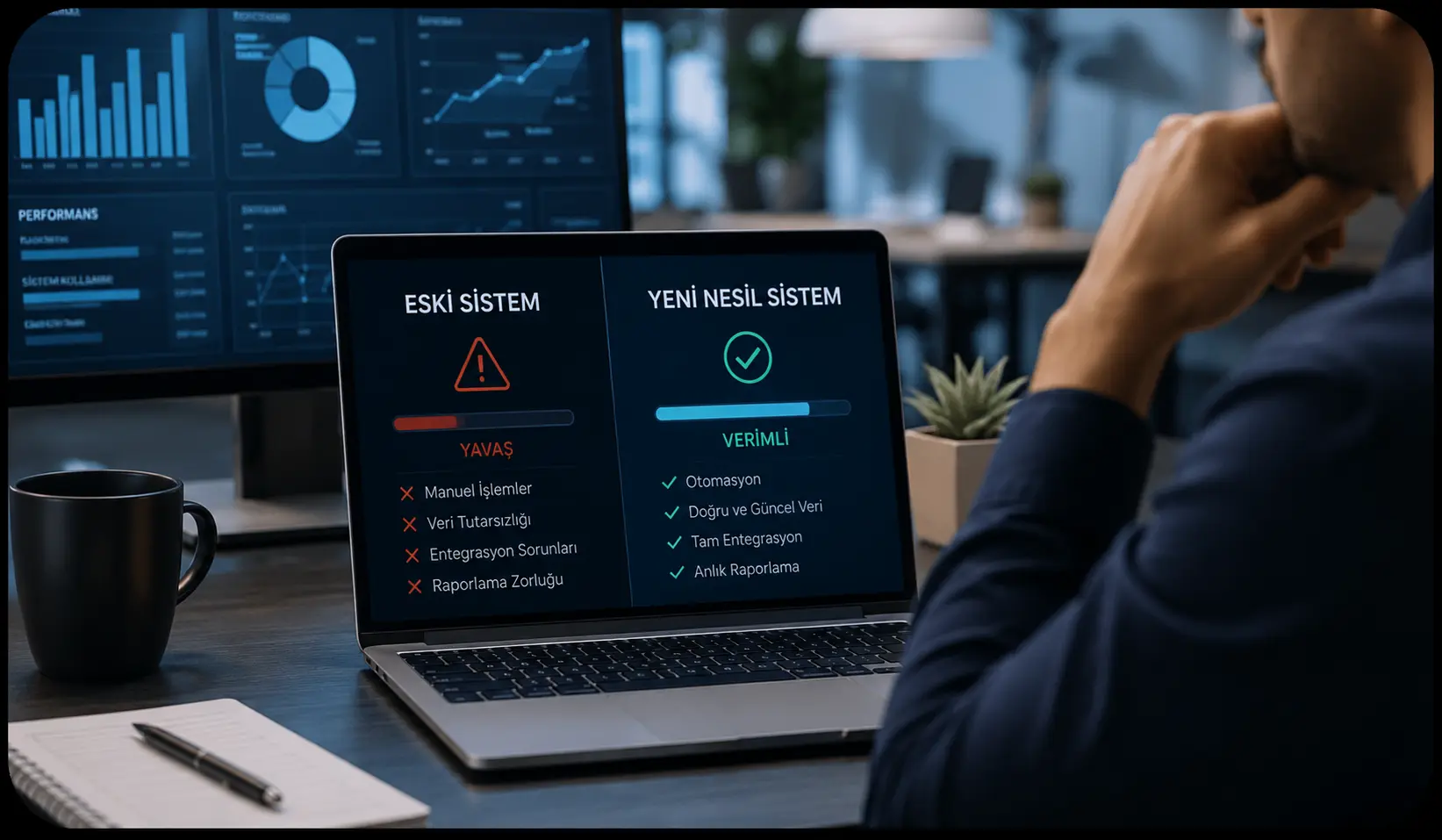
- Inability to integrate with new systems
- Inability to support a growing number of users
- Mobile compatibility issues
- Update and reporting difficulties
- Inability to Track Business Processes 6 Signs That Your Software Is No Longer Meeting Your Needs 1\. Repeated Data Entry: Entering the same information into different systems leads to wasted time and data inconsistencies. 2\. Dependence on Excel for Business Processes: Scattered files can result in data loss, version conflicts, and manual errors. 3\. Slow Reporting: Manually collecting data from different systems delays decision-making processes. 4\. Inability to Adapt to Growth: The inability to add new modules and features to the existing system limits business growth. 5\. Disconnected Departments: Non-integrated systems lead to communication problems and operational disruptions. 6\. Security Vulnerabilities: Software that no longer receives technical support increases cybersecurity risks. These issues do more than slow down business processes; they also create additional costs due to manual tasks, data errors, and wasted time. How Is Software Modernization Implemented? Modernization involves updating the existing software infrastructure according to a business's needs. Replacing the entire system is not always necessary. Depending on the requirements:
- System enhancement: Improving performance and security.
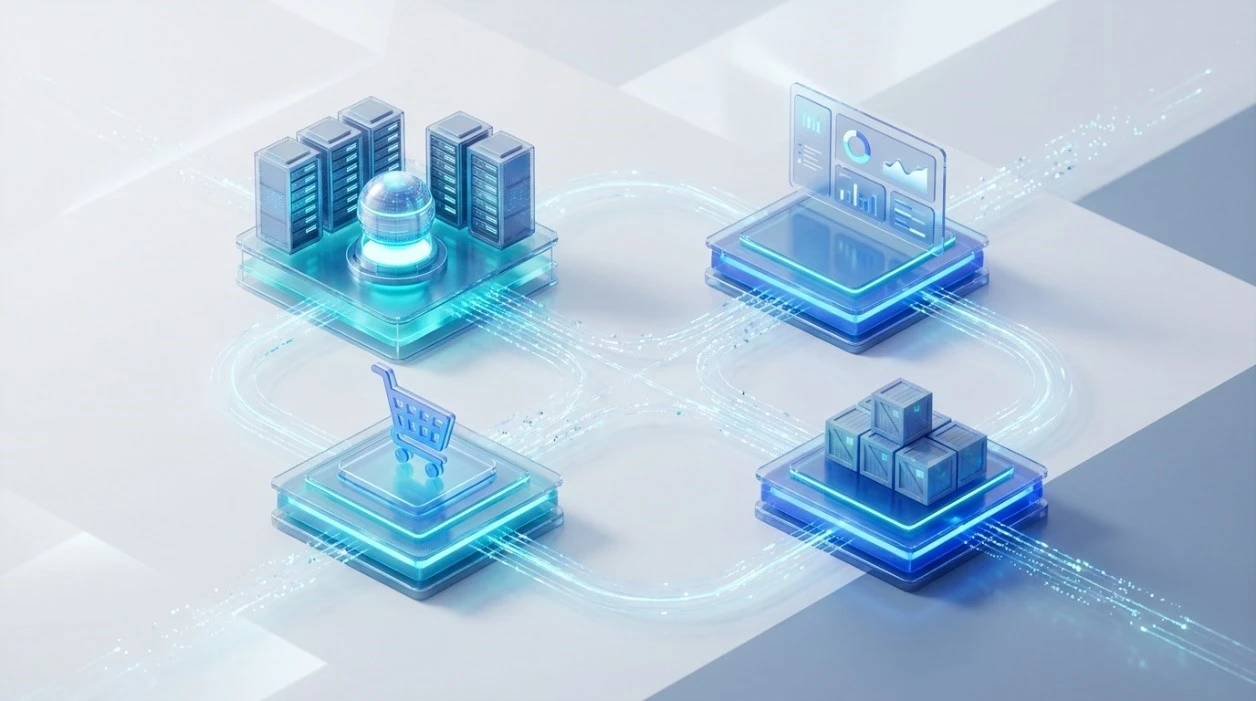
- Integration: Connecting different software systems through APIs.
- Module renewal: Redeveloping problematic components.
- Cloud transformation: Transitioning to scalable infrastructures.
- New software development: Creating a new system tailored to the business. What Should Be Considered Before Modernization? To ensure a successful transformation, the following questions should first be addressed: 1. Which processes cause the greatest loss of time? 2. Which tasks are performed manually? 3. Is the existing system still receiving technical support? 4. Which integrations are required? 5. What are the business's growth goals for the next five years? Not every off-the-shelf software solution may meet a business's specific needs. Therefore, the right solution should be determined by analyzing business processes, user expectations, and technical requirements. Conclusion Software tailored to your business needs simplifies operations, connects departments, and improves efficiency. If your existing system is slowing down your progress, it may be time for modernization. At KYNC Technology, we analyze your software infrastructure and develop technology solutions tailored to your business. You can contact us to plan your digital transformation journey together.